Treatment Options for Missing Teeth

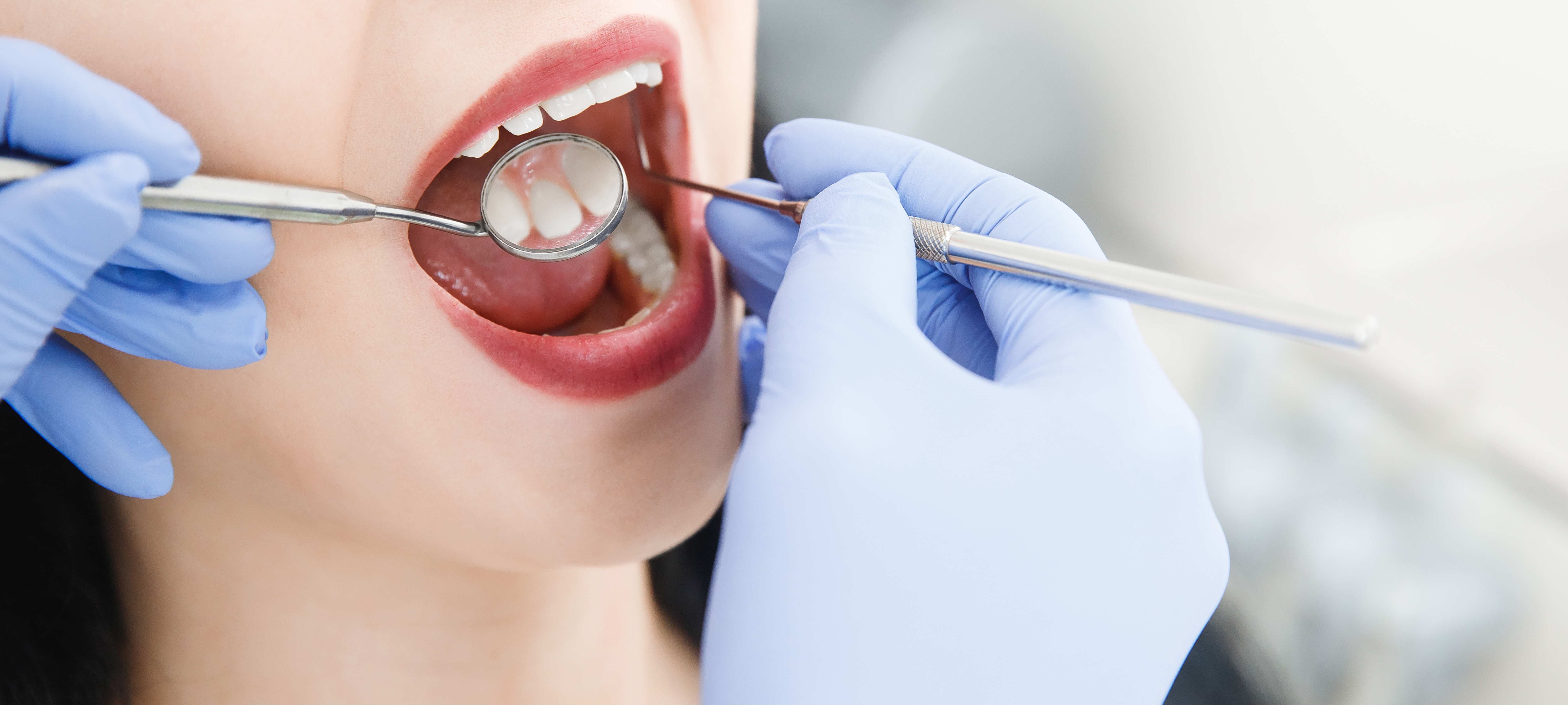
Tooth loss is more common than many people realize. It could occur due to various reasons such as injury, decay, or gum disease. Regardless of the cause, missing teeth can affect your ability to chew, speak clearly, and smile with confidence. Fortunately, modern dentistry offers several effective solutions to restore both the function and appearance of your smile.

Fortunately, modern dentistry offers several effective solutions for missing teeth to restore both the function and appearance of your smile.

Dental Implants

Dental implants are considered one of the most reliable and long-lasting options for replacing missing teeth. An implant involves surgically placing a titanium post into the jawbone, which acts as a substitute for the root of the missing tooth. Once the implant integrates with the bone, a process called osseointegration, a custom-made crown is attached to the top.

Implants offer several advantages. They often look and function like natural teeth and help preserve the jawbone by preventing bone loss. They also don’t affect neighboring teeth, making them a more conservative option than some alternatives. With proper care, dental implants could last for decades, making them a preferred choice for many patients.

Dental Bridges

Another common solution for missing teeth is a dental bridge. A bridge uses the teeth on either side of the gap as anchors to support one or more artificial teeth in between. These anchor teeth are typically covered with crowns that hold the bridge in place. Dental bridges could restore both appearance and function relatively quickly compared to implants, which require healing time. They are often recommended when a patient isn’t a candidate for implants due to bone loss or other health considerations. While bridges don’t last as long as implants, they can still provide a durable solution with proper care and maintenance.

Dentures

Dentures are removable prosthetic devices that can replace several missing teeth or an entire arch. They come in two main types: full dentures, which replace all the teeth in the upper or lower jaw, and partial dentures, which replace a few missing teeth and attach to the remaining natural teeth. Modern dentures are much more comfortable and natural-looking than in the past. They are custom-made to fit your mouth and could significantly improve your ability to eat and speak. However, since dentures are not anchored in the jawbone like implants, they may shift slightly when eating or talking, and they generally require periodic adjustments as your mouth changes over time.

Implant-Supported Dentures

For those looking for a more secure alternative to traditional dentures, implant-supported dentures offer a compelling option. These dentures are anchored in place using a series of dental implants, providing greater stability and comfort. This type of treatment combines the affordability of dentures with some of the benefits of implants, such as bone preservation and improved chewing function. Implant-supported dentures can be either fixed or removable, depending on the patient’s needs and preferences. They tend to be more comfortable than conventional dentures and offer better support for facial structure, helping to prevent the sunken appearance that often comes with tooth loss.

Choosing the Right Treatment

Selecting the best treatment option for missing teeth depends on several factors, including your overall health, the number of teeth missing, bone density in the jaw, and budget. A thorough examination and consultation with a dentist is the first step toward finding the most suitable solution. In many cases, your dental professional may recommend a combination of treatments to restore both function and aesthetics. For example, some patients might receive implants in one area and a bridge or partial denture in another.

Treatment for Missing Teeth in Williamsport, PA

At Loyalsock Dental Associates, we are dedicated to helping you preserve your oral health. If you have missing teeth, you could suffer from worsening conditions, including shifting teeth, bone loss, and jaw pain. Contact our office today to schedule a consultation and learn more about your restorative dentistry treatment options.