.avif)
Can You Get Another Cavity in the Same Tooth?
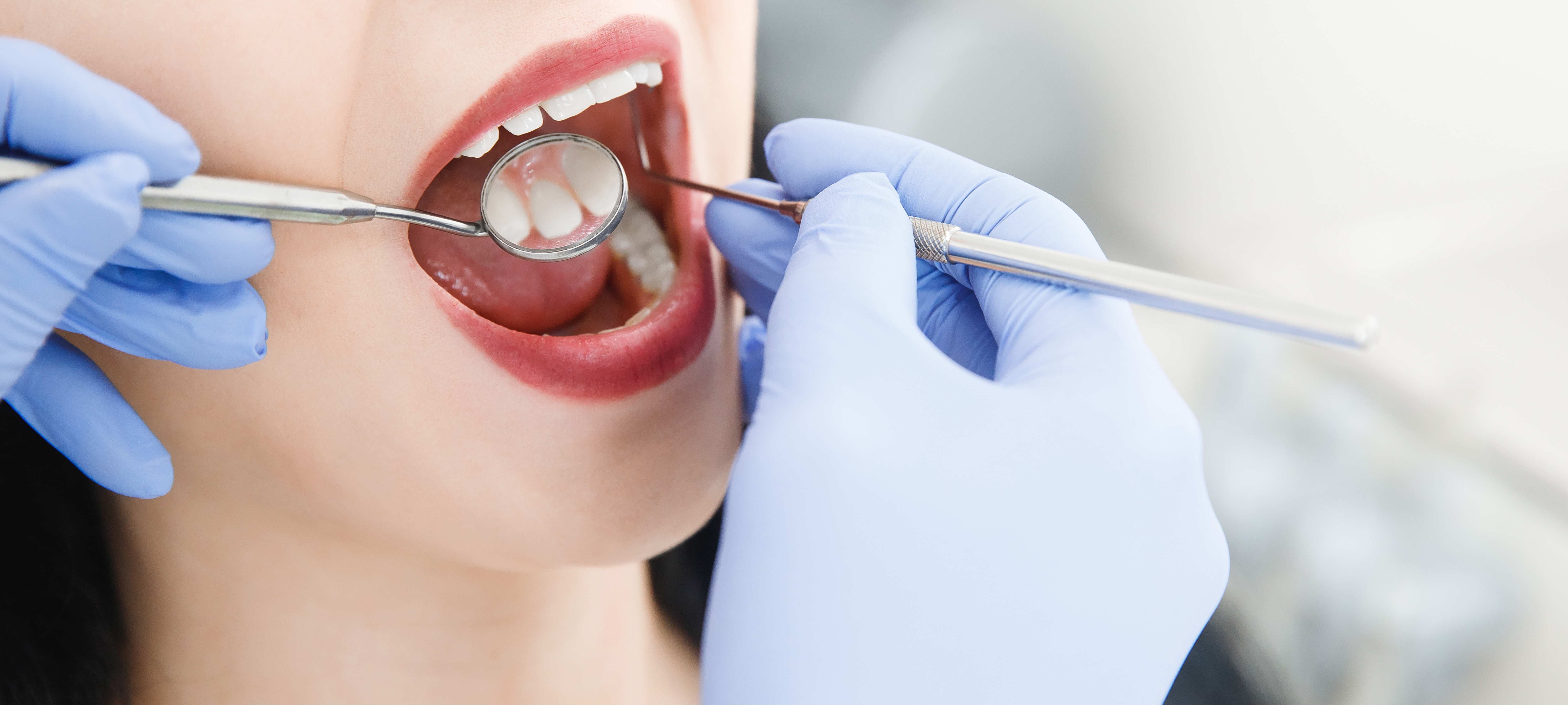
What It Means If Decay Returns and How to Prevent It in Williamsport, PA
Yes—you can get another cavity in the same tooth, even if it has already been treated with a filling. This is known as recurrent decay, and it’s more common than most patients realize.
At Loyalsock Dental, we help patients in Williamsport, PA and the Loyalsock area understand why cavities can come back—and how to prevent future damage with the right care and treatment.
How Can a Cavity Come Back in the Same Tooth?
A tooth that has been treated with a filling is still vulnerable to decay—especially around the edges of the restoration.
New cavities can form when:
- Bacteria accumulate around the margins of a filling
- The filling begins to wear down or loosen over time
- Oral hygiene is inconsistent
- Bite pressure causes micro-gaps or fractures
Even well-done restorations need monitoring over time, which is why routine visits like cleanings & exams are essential.
Signs You May Have a New Cavity in a Treated Tooth
Recurrent decay doesn’t always cause immediate pain, but there are signs to watch for:
- Sensitivity to hot, cold, or sweets
- Pain when biting or chewing
- Dark spots or discoloration near a filling
- Rough or uneven areas on the tooth
- Food getting trapped more easily
If you notice any of these symptoms, early evaluation can prevent more extensive damage.
Why Fillings Don’t Last Forever
Dental fillings are durable, but they are not permanent.
Over time, they can:
- Wear down from chewing forces
- Develop small gaps at the edges
- Crack under pressure
- Lose their seal against bacteria
When this happens, bacteria can re-enter the tooth and cause decay beneath or around the filling.
In some cases, replacing the filling with a stronger restoration—like a dental crown—may be recommended.
The Role of Bite Alignment (Occlusion)
One often-overlooked cause of recurring cavities is uneven bite pressure.
When certain teeth take on more force than others, it can:
- Stress existing fillings
- Create tiny fractures or gaps
- Accelerate wear and breakdown
At Loyalsock Dental, we evaluate how your teeth come together (occlusion) to help prevent repeat issues. In some cases, treatments like TMJ & bruxism therapy or custom mouthguards may be recommended.
How to Prevent Cavities from Returning
Preventing recurrent decay requires a combination of daily habits and professional care.
At-Home Prevention
- Brush twice daily with fluoride toothpaste
- Floss consistently
- Limit sugary and acidic foods
- Stay hydrated to support saliva production
Professional Prevention
- Routine exams and cleanings
- Monitoring existing restorations
- Early detection of wear or breakdown
- Preventive treatments when needed
Regular visits to your general dentistry provider help catch small issues before they become larger problems.
When Is a Filling Not Enough?
If decay returns repeatedly or the tooth structure is weakened, a filling may no longer be the best solution.
In these cases, we may recommend:
- Dental crowns for full coverage and protection
- Inlays & onlays for moderate damage
- More comprehensive restorative care
The goal is always to preserve your natural tooth while improving long-term durability.
Cavity Treatment in Williamsport, PA
Patients in Williamsport, Loyalsock, and surrounding areas often come to us with recurring dental issues that haven’t been fully resolved.
By combining advanced diagnostics with a functional, whole-mouth approach, we’re able to identify why problems are happening—not just treat them.
If you’ve had a cavity before, it doesn’t mean the problem is over—but with the right care, it can be managed and prevented.