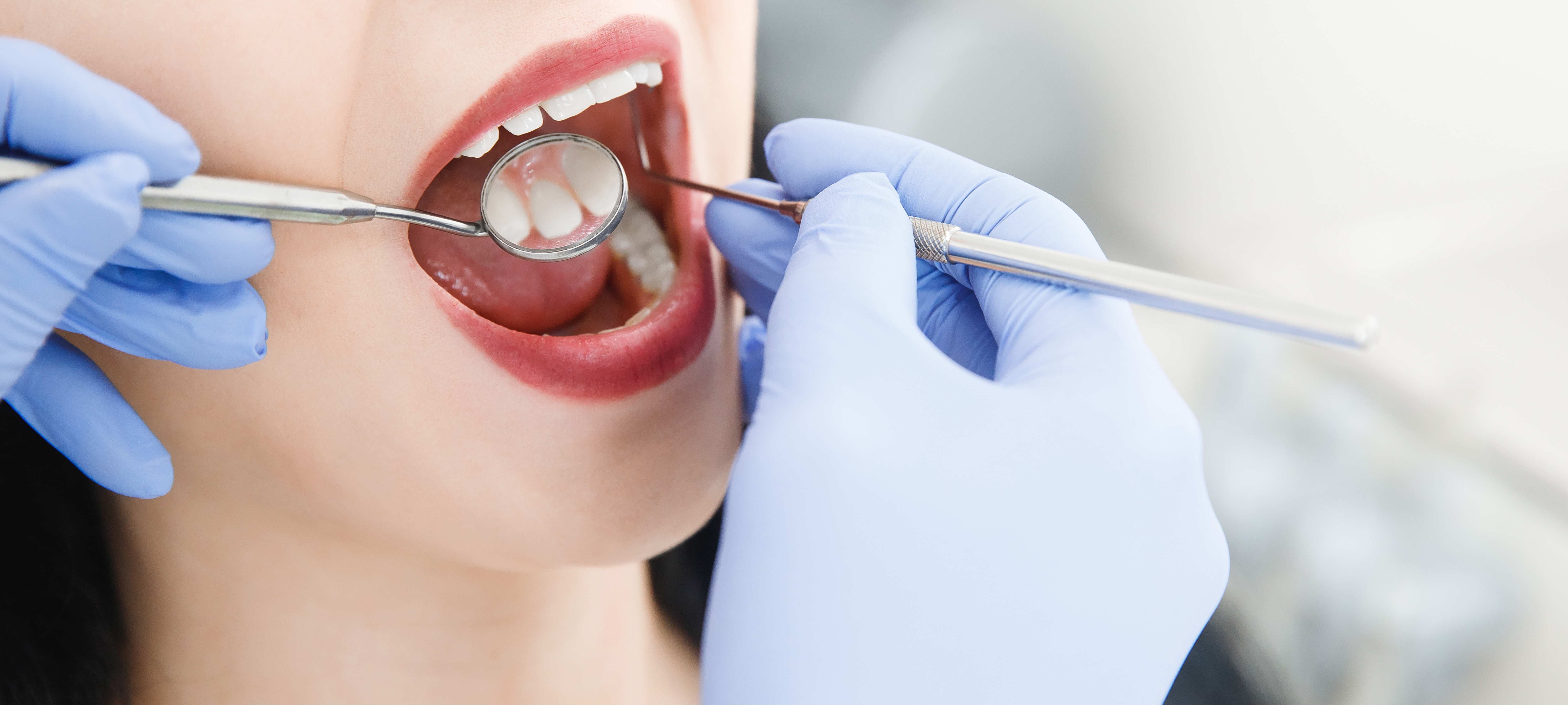
Aftercare for a Tooth Extraction

Having a tooth extracted is a common dental procedure, but the healing process that follows is just as important as the extraction itself. Proper aftercare can help prevent complications like infection, dry socket, and prolonged discomfort. Whether you’ve had a simple extraction or a more complex surgical removal, understanding how to take care of your mouth afterward is key to a smooth recovery.

Having a tooth extracted is a common dental procedure, but the healing process that follows is just as important as the extraction itself.

The First 24 Hours

The initial hours after your tooth extraction are critical. During this time, your body’s natural clotting process begins to seal the site. A blood clot forms in the socket to protect the bone and nerves beneath, and disturbing this clot can lead to painful complications. Dentists often place a piece of gauze over the area, and it’s important to bite down gently to apply pressure and help the clot form.

Avoid rinsing, spitting, or using a straw in the first 24 hours. These actions can dislodge the clot and delay healing. Rest is also essential. Physical exertion increases blood flow, which could lead to more bleeding. Try to keep your head elevated with pillows when lying down, and steer clear of heavy lifting or intense physical activity.

Managing Pain and Swelling

Some discomfort and swelling are normal after an extraction. Your dentist may recommend over-the-counter painkillers such as ibuprofen or acetaminophen, or prescribe something stronger if the extraction was complex. Applying a cold compress to the outside of your cheek near the extraction site can reduce swelling. Do this in 15-minute intervals for the first day.

As the anesthesia wears off, sensitivity may increase. Be cautious with hot foods and beverages, and chew on the opposite side of your mouth to avoid irritating the area. If your pain gets worse rather than better over the next few days, or if it becomes severe, it’s important to contact your dentist.

Eating and Drinking After an Extraction

Soft foods are your best bet for the first few days following an extraction. Think mashed potatoes, yogurt, applesauce, and soups that aren’t too hot. Stay hydrated, but as mentioned earlier, avoid using a straw. Sucking through a straw can create suction that dislodges the protective blood clot, increasing your risk for dry socket. Gradually reintroduce more solid foods as you feel more comfortable and as your healing progresses. Avoid crunchy, spicy, or acidic foods that could irritate the site or become lodged in the socket.

Oral Hygiene During Recovery

Keeping your mouth clean is important after a tooth extraction, but it must be done gently. You can brush your other teeth normally, but avoid the extraction site for the first couple of days. After the first 24 hours, you can gently rinse your mouth with warm salt water to keep the area clean. Do this two to three times a day, especially after eating, but avoid vigorous swishing. Mouthwashes that contain alcohol should be avoided during this period as they can irritate the healing tissue. If your dentist provides specific rinses or instructions, always follow their advice closely.

Recognizing Signs of Complications

Most extractions heal without issue, but it’s important to monitor for signs that something isn’t right. Persistent or worsening pain, excessive bleeding, foul odor, or visible pus are all signs that you may have an infection or a dry socket. These conditions require professional attention, so don’t hesitate to call your dentist if you’re concerned.

The Healing Timeline

Most people find that the worst discomfort subsides within a few days. Gum tissue usually heals within one to two weeks. Complete bone healing can take longer, sometimes several months, especially if you’re planning for a dental implant in the future.

Tooth Extraction in Williamsport, PA

At Loyalsock Dental Associates, we are dedicated to your oral health. While we always strive to preserve your natural tooth structure, sometimes an extraction is necessary to prevent worsening conditions. Contact our office today to schedule a consultation and see if a tooth extraction could be right for you.