.avif)
Invisalign in Williamsport, PA: How It Works and What to Expect
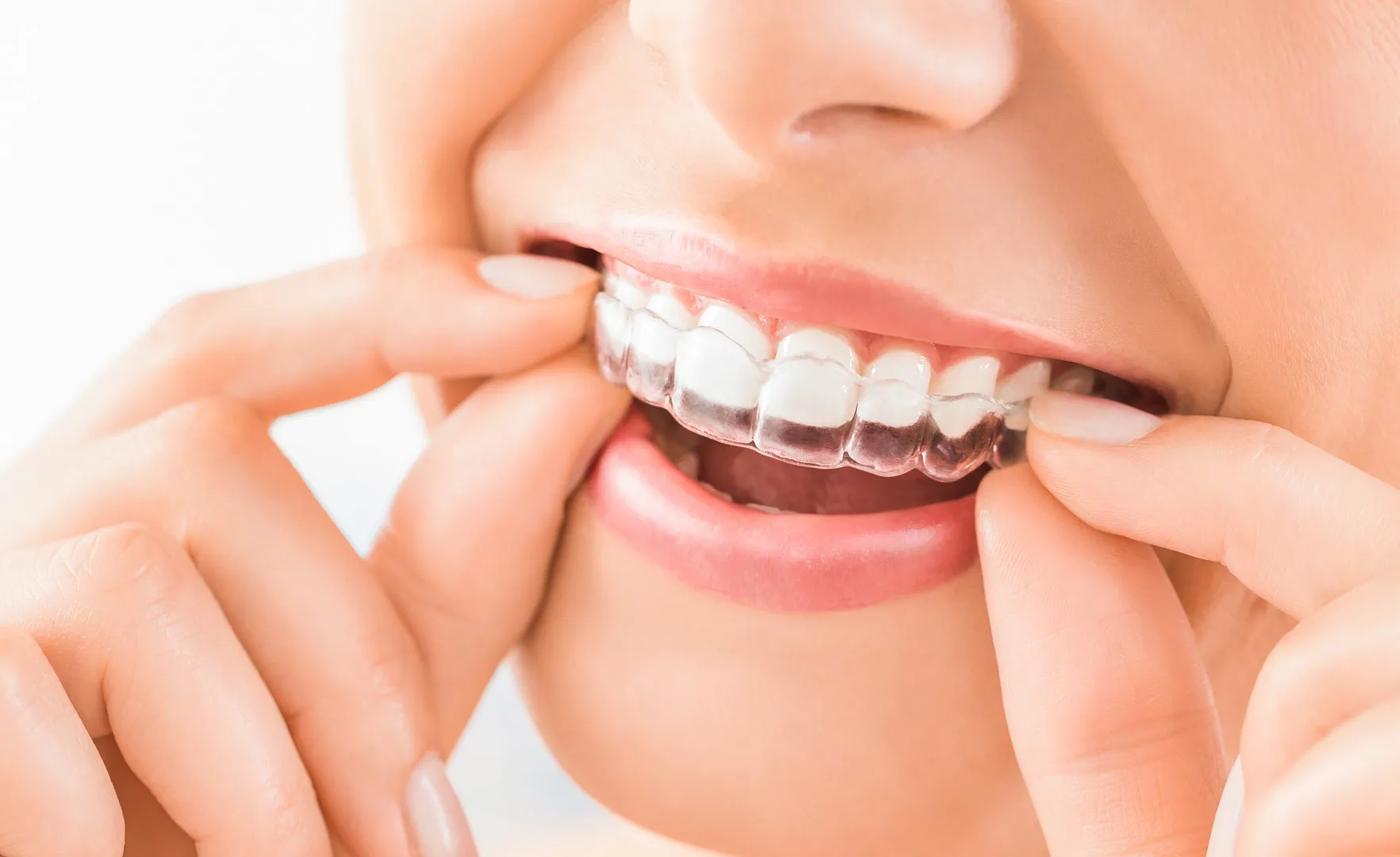
Invisalign straightens your teeth using a series of clear, custom-made aligners that you wear over your teeth and swap out roughly every one to two weeks, each one moving your teeth a little closer to their final position. Most treatments take about 6 to 18 months depending on how much movement you need, and because the aligners are nearly invisible and fully removable, most people won't even know you're wearing them. At Loyalsock Dental, Dr. Joyce Kim plans each case with the same attention to bite and long-term function that guides all of her work — so your teeth don't just look straighter, they fit together properly.
Here's exactly how Invisalign works, who it's a good fit for, and what day-to-day treatment is really like.
How Does Invisalign Actually Work?
Invisalign replaces the brackets and wires of traditional braces with a sequence of clear plastic aligners, each one slightly different from the last. The process generally looks like this:
- A digital scan maps your teeth in 3D — no messy impressions
- A custom treatment plan is designed, often letting you preview your projected result before you start
- You wear each set of aligners for about 20–22 hours a day, removing them only to eat, drink, and brush
- You switch to the next set every one to two weeks as your teeth gradually shift
- Periodic check-ins confirm everything is tracking as planned
The aligners apply gentle, controlled pressure to move teeth in a precise order — which is why a carefully designed plan matters as much as the aligners themselves.
What Can Invisalign Fix?
Clear aligners can correct a wide range of alignment and spacing issues, including:
- Crowded or overlapping teeth
- Gaps and spaces between teeth
- Mild to moderate bite issues (overbite, underbite, crossbite)
- Teeth that have shifted over the years, or after old braces, due to not wearing a retainer
Very complex bite or alignment problems are sometimes better served by other orthodontic approaches — and part of a good consultation is being honest about when that's the case. For the large majority of Williamsport adults and teens who want straighter teeth, though, Invisalign is an excellent fit.
Who Is a Good Candidate for Invisalign?
Invisalign tends to be a great option if you:
- Want to straighten your teeth without the look of metal braces
- Are disciplined enough to wear the aligners the recommended 20–22 hours a day
- Have generally healthy teeth and gums to start
- Prefer being able to remove your orthodontics to eat and clean normally
That last point cuts both ways: the removability that makes Invisalign so convenient also means success depends on *you*. Aligners only move your teeth when they're in your mouth. Patients who commit to the wear schedule get predictable results; those who leave them out too often slow their own progress.
What Is Treatment Like Day to Day?
Most people adapt to Invisalign quickly. Here's what to expect:
- Mild pressure or soreness for a day or two after switching to a new set — a normal sign the aligners are working
- A slight, temporary lisp for some people in the first few days, which the tongue adjusts to
- Removing aligners to eat and drink anything other than water, then brushing before putting them back in
- Cleaning your aligners daily to keep them clear and odor-free
Compared with braces, there are no dietary restrictions, no brackets to irritate your cheeks, and no emergency visits for broken wires. For most patients, it fits into daily life with very little disruption.
How Long Does Invisalign Take?
Treatment time depends on how much your teeth need to move. Minor corrections can finish in as little as six months, while more involved cases may take 18 months or more. You'll have a clearer estimate after your consultation and scan, when Dr. Kim can see the full picture. One thing that stays constant: wearing your aligners consistently is the single biggest factor in finishing on schedule.
What Happens After Invisalign?
Once your teeth are in their final position, you'll wear a retainer to keep them there. Teeth naturally tend to drift back over time, so retainers aren't optional — they're how you protect the result you invested in. Many patients also choose to finish their smile at this stage with professional whitening, since teeth are in their ideal position, or with veneers if they want to refine shape and color as well. Straightening first simply makes any finishing touches look their best.
Is Invisalign Worth It?
For most people who want straighter teeth, yes — and the benefits go beyond appearance. Straight, well-aligned teeth are easier to clean, which supports better long-term gum and tooth health, and a balanced bite puts less strain on your teeth and jaw. Weighed against a lifetime of crowded teeth that are harder to keep healthy, a one-time course of Invisalign is often a genuinely good investment. The honest trade-offs are the cost and the discipline required — but for committed patients, the results speak for themselves.
The Bottom Line for Williamsport Patients
Invisalign offers a discreet, comfortable, and flexible way to straighten your teeth, with results that improve both how your smile looks and how it functions. Whether your teeth have always been a little crowded or have shifted over the years, the best next step is simply a conversation and a scan to see what's possible for you.
Dr. Joyce Kim offers Invisalign clear aligners at Loyalsock Dental, planned with a careful eye on both your smile and your bite for results that last. As part of our full range of cosmetic dentistry, we proudly serve patients throughout Loyalsock, Montoursville, South Williamsport, and the greater Williamsport area, as well as Lewisburg, Muncy, and Lock Haven.
To find out whether Invisalign is right for you, request a consultation online or call (570) 989-5271.